
Why today's cybersecurity game is a loser's game?
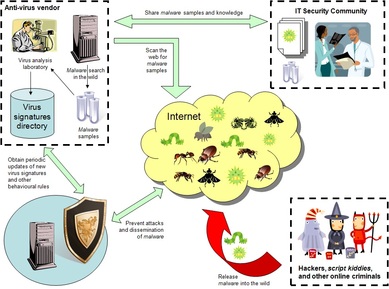
Why is the current technology unsatisfactory?
Current anti-virus offerings, both commercial and open source, are based in the 1980’s “black list approach” (i.e. the security vendor needs to continuously identify new malware, create signatures and distribute to their customers)
Key problems include:
1. Zero-day vulnerability, which makes the hackers’ efforts worthwhile
2. It is a reactive solution
3. Users need to maintain signature lists up to date (and they don’t!)
4. Leads to “false positive” problems, which poses scalability concerns
5. Nothing is done either to deter or legally chase hackers
Current anti-virus offerings, both commercial and open source, are based in the 1980’s “black list approach” (i.e. the security vendor needs to continuously identify new malware, create signatures and distribute to their customers)
Key problems include:
1. Zero-day vulnerability, which makes the hackers’ efforts worthwhile
2. It is a reactive solution
3. Users need to maintain signature lists up to date (and they don’t!)
4. Leads to “false positive” problems, which poses scalability concerns
5. Nothing is done either to deter or legally chase hackers